Emergency department

Need urgent medical help? Call 112.

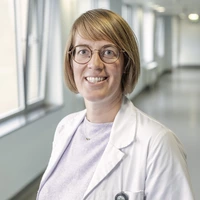
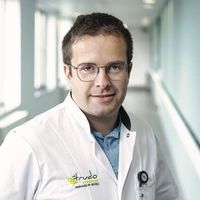
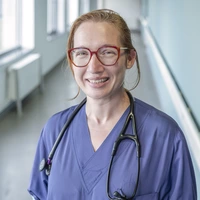
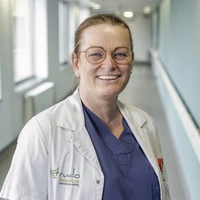
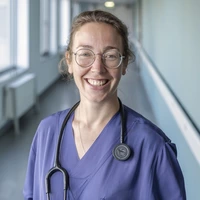
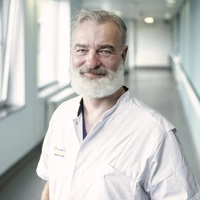
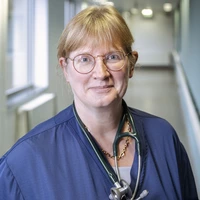
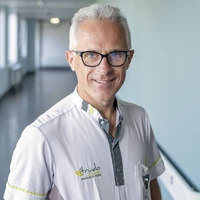
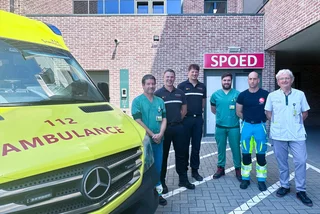
Sint-Trudo Hospital has a specialised emergency department. Patients in an urgent or life-threatening situation or in need of urgent medical care are quickly and efficiently cared for 24 hours a day, 7 days a week by a specialised team of nurses and emergency doctors.


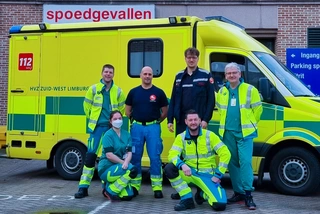
spoedgevallen mug team spoedartsen en verpleegkundigen

What can we help you with?

The medical team of our emergencies department is available 24 hours a day, 7 days a week, to help and care for you.

Our highly qualified doctors and nurses provide non-scheduled, medical assistance for just about any condition and health care needed.

In the emergency department, the initial tests and treatments necessary to ensure your well-being are performed. Is follow-up treatment necessary? Then you will be referred to a specialist or GP.

When do you come to the emergency department?

Do you have a medical problem? 
You can contact your family doctor (GP), or outside his working hours the out-of-hours GP service. For the municipalities of Borgloon, Gingelom, Heers, Nieuwerkerken, Sint-Truiden and Wellen, this is the GP out-of-hours service next to the hospital, reachable on 089 59 00 59. Do you live in another municipality? CLICK HERE for out-of-hours services available in your area. If necessary, the doctor will refer you to the emergency department. 

Urgently need medication? 
You can find the on-call pharmacy service here.

(Possible) poisoning?
The Belgian Poison Centre provides advice by phone in case of poisoning on the free number 070 245 245 available 24 hours a day, 7 days a week.

If you have an urgent eye problem, it is best to call the on-call service of Oogcentrum Sint-Truiden or Oogartsen Park Sint-Truiden.

Is the practice unreachable? Call our emergency department (011 69 93 33) or the GP out-of-hours service (089 59 00 59). They will do their best to help you.

For urgent dental problems, it is best to call the on-call dental service.

  • Available by phone via the central call number: 0903 399 69
  • The on-call dental service is available on Saturdays, Sundays and public holidays from 09:00 am to 06:00 pm.
  • Call: €1.5 per minute.

How quickly will you be seen?

Of course, all our staff do everything they can to help you as quickly as possible. When you register, you will immediately be seen by the triage nurse. How soon a doctor can see you depends on the seriousness of your condition, not on the order in which patients arrive. This approach is used in every hospital. On arrival, the triage nurse will assign you a priority code.

  • Code 1 – immediate: life-threatening, treated straight away.
  • Code 2 – very urgent: serious, seen quickly.
  • Code 3 – urgent: needs examination or treatment, but can wait a short time.
  • Code 4 – less urgent/standard: can wait longer.
  • Code 5 – non-urgent: non-urgent complaints, often present for some time.

Patients who need the most urgent care are always treated first. In the meantime, the triage nurse may already give you pain relief or provide initial wound care.

The video below explains how the triage system works and why you may sometimes have to wait at the emergency department.


Frequently Asked Questions

In case of an emergency admission, we ask that you submit the following documents if possible:

  • identity card
  • written referral letter from your GP (family doctor)
  • list of home medication and supplies for the next 24 hours (in original packaging)
  • insurance documents (when you are the victim of a work, sports or school accident)

If you present yourself at the emergency department without a referral letter from your GP or without the intervention of the "112"-service, you'll pay more. 

We often see the crowds increasing from 10:00 am, with a peak in the afternoon and evening hours until 11:00 pm. Weekdays tend to be busier than weekends, especially on Mondays, Fridays and bridge days around public holidays.

Emergency room crowding is not determined solely by the number of patients attending. The following factors also come into play:

  • The number of high-priority code patients requiring serious care
  • The presence of sufficient care staff
    • If the MUG or the PIT is deployed, 1 emergency nurse and/or 1 emergency physician is unavailable.
    • If a healthcare provider needs to be called from outside the emergency department (e.g. a specialist), they should be able to make themselves available and make their way to the emergency department.
  • Waiting times in examination wards such as e.g. radiology
  • The number of admission beds available for transfer to inpatient wards

Only come to the emergency room in life-threatening situations, serious injuries or if you have suddenly become seriously ill (e.g. suspected heart attack, stroke, severe allergic reaction...). This way we can avoid unnecessary waiting times.


It is a good idea to bring someone you trust. An emergency admission can be stressful, and a companion can provide valuable extra information to the healthcare providers. Moreover, that person can help ensure you get home safely after your admission.

We do ask that you bring no more than one companion or family member. For children, both parents are allowed to be present. In the case of critical patients, an exception can be made.

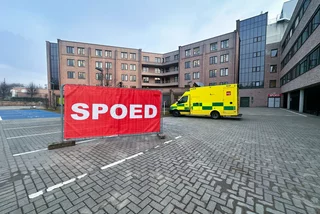
The emergency department can be accessed from the left side of the hospital. Signage to the emergency department will direct you to an emergency parking lot directly on that left side of the hospital. From there, you will arrive at the emergency entrance where you can take an elevator reserved specifically for our emergency patients.

Do you prefer not to take the elevator? Then you can follow route 50 from the reception desk. It will take you to both the stairs and the elevator.

When you are ill, you are often worried about the symptoms, which is normal. When your GP is no longer available, it is important to make the right choice.

  • Family doctor (GP):
    • For most medical issues, it is best to go (first) to your own GP. He or she can give you the best advice and refer you to a specialist if necessary.
    • Is your GP not available? In that case you can go to the GP out-of-hours service posts. You do this only when you have an urgent medical problem, which is not serious enough for an emergency, but also cannot wait until your own GP is available.
  • The emergency department:
    • If you are referred by your GP.
    • If you are brought in by ambulance after an emergency call to 112.
    • On your own initiative, this is only possible in life-threatening situations, serious injuries such as burns or broken bones, or if you are suddenly seriously ill such as suspected heart attack, stroke...

The website www.moetiknaardedokter.be can be a helpful tool to make the right choice. 

Waar moet je naartoe voor (dringende) medische hulp?

Unfortunately, it sometimes happens that we are confronted with a death on our ward. If you are a relative of the deceased and have any questions, please know that we are here to offer you the necessary support and help. Do not hesitate to speak to a member of staff if you feel the need, we sympathise deeply with you and your loved ones.

We fully understand that losing someone close to you involves a grieving process. For many people, questions only arise later. Even then, we are there for you. Would you like a conversation, more clarity or additional support? If so, you can make an appointment with one of our services below:

  • Emergency department: obtaining information of a medical nature. Tel: 011 69 93 30
  • Pastoral service: support of a spiritual nature. Tel: 011 69 91 45
  • Palliative support team: questions about palliative care and advance directives. Tel: 011 69 96 93
  • Psychological service: support with psychological well-being. Tel: 011 69 93 27
  • Social service: support with administrative matters. Tel: 011 69 91 40

Do you have any other questions? You can always call the hospital's general number (011 69 91 11). We will try to help you as best we can.

We sincerely wish you and your family much strength.

Reanimation

When breathing or heartbeat suddenly stops, CPR is used. Through drastic action, we bring it back on track. Acting quickly is crucial, as the brain can only go for a short time without oxygen.

Click here for more information on CPR.
Brochures

Bestand
Bestand
Bestand
Antibiotica (177.3 KB)
Bestand
Bestand
Pijn (219.11 KB)
Bestand
Tetanus (152.07 KB)
Bestand
Tips bij gips (152.59 KB)
Bestand
Bestand
Wekadvies (153.71 KB)
Bestand
Wondverzorging (154.01 KB)

Doctors

deze arts wenst geen foto op onze website ENG

dr. Petra Billen

emergency doctor
dr. Nele Billiet

dr. Nele Billiet

emergency doctor
dr. Michiel Boon

dr. Michiel Boon

emergency doctor
dr. Leo Conde

dr. Leo Conde

emergency doctor
dr. Sarah Darcis

dr. Sarah Darcis

emergency doctor
dr. Marianne Giart

dr. Marianne Giart

emergency doctor
dr. Leen Goossens

dr. Leen Goossens

emergency doctor
deze arts wenst geen foto op onze website ENG

dr. Okke Schoolmeesters

emergency doctor
dr. Tom Smets

dr. Tom Smets

emergency doctor
dr. Barbara Vantroyen

dr. Barbara Vantroyen

emergency doctor

Head nurses

Geert Berden hoofdverpleegkundige

Geert Berden

Gert Plevoets hoofdverpleegkundige

Gert Plevoets

Nieuws